- Brooklyn, New York
- info@gelbstein.com


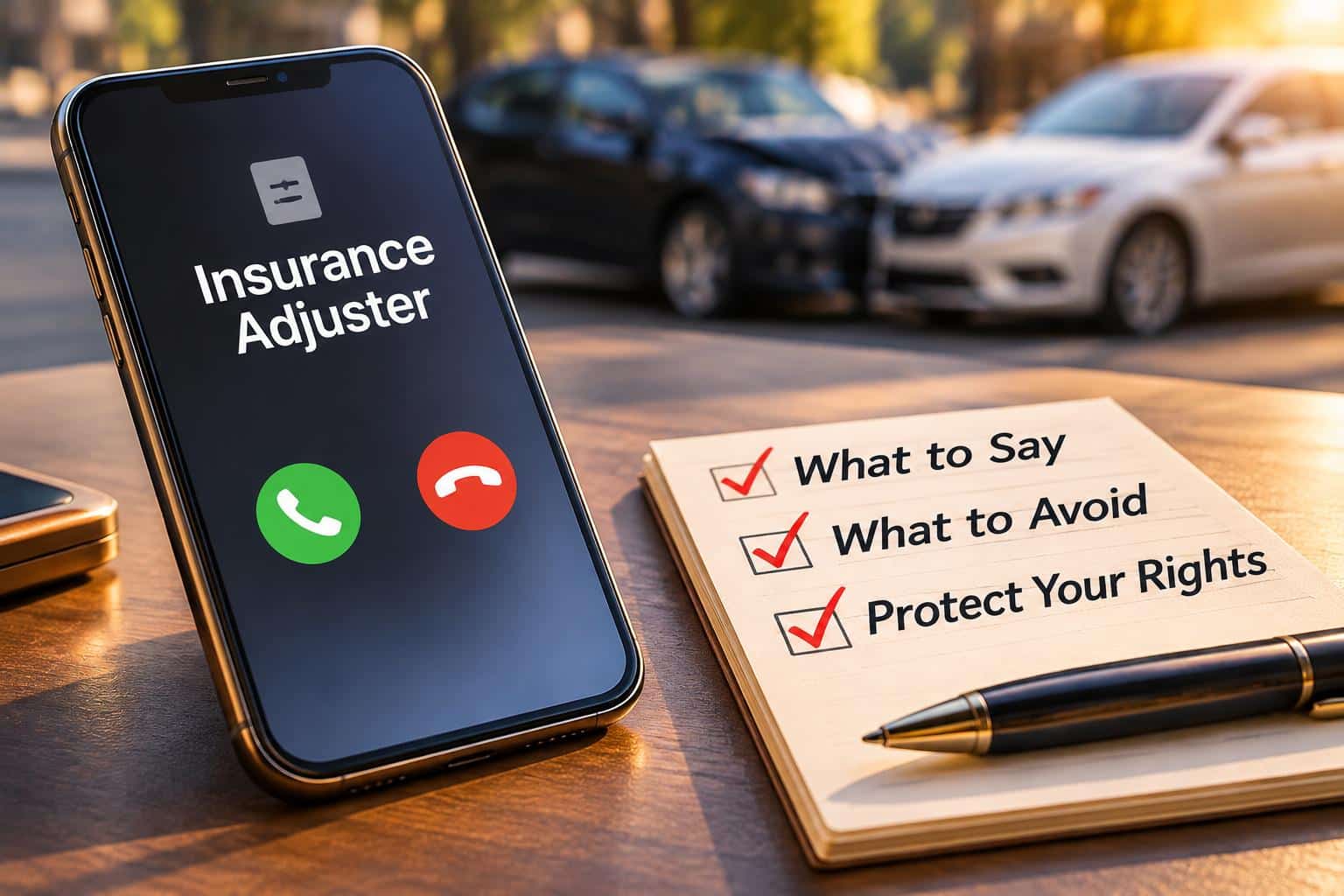
The Insurance Company Called After Your Accident. Should You Answer?
by Gelbstein October 27, 2026
The Insurance Company Called After Your Accident. Should You Answer?
What New York and New Jersey Accident Victims Need to Know Before Speaking With an Insurance Adjuster
The phone rings. It’s an insurance adjuster calling about your recent accident.
They sound friendly, concerned, and eager to help. They may ask how you’re feeling, what happened, and whether you’re willing to provide a recorded statement.
It all seems routine.
But before you answer their questions, there’s something important you should understand: What you say to an insurance company after an accident can affect your personal injury claim.
At Gelbstein & Associates, our personal injury attorneys help accident victims throughout Brooklyn, New York City, and New Jersey understand their legal rights and navigate the insurance claims process.
Here’s what you should know before speaking with an insurance adjuster.
Why Is the Insurance Company Calling You?
Following a car accident, truck collision, pedestrian accident, or another incident involving injuries, an insurance company may contact you to investigate what happened.
An insurance adjuster’s job generally includes evaluating the claim, reviewing available evidence, determining coverage, and assessing potential financial responsibility.
The adjuster may want to:
- Obtain your description of the accident.
- Ask about your injuries and medical treatment.
- Determine whether anyone else contributed to the accident.
- Request a recorded or written statement.
- Discuss medical expenses, lost wages, or property damage.
- Explore the possibility of settling your claim.
While these questions may sound reasonable, your answers can become part of the insurance company’s evaluation of your case.
Remember: An insurance adjuster represents the interests of the insurance company, not necessarily your interests as an injured claimant.
Should You Speak With the Other Driver’s Insurance Company?
If another driver’s insurance company contacts you after an accident in Brooklyn, Queens, Manhattan, the Bronx, Staten Island, or elsewhere in New York, you should be cautious about discussing the details of the incident before obtaining legal guidance.
You generally do not have to give an immediate recorded statement to the other driver’s liability insurer simply because an adjuster requests one.
You can politely explain that you are not prepared to discuss the accident and would prefer to consult a personal injury attorney first.
This is especially important if you have suffered injuries, are still receiving medical treatment, or do not yet know the full extent of your condition.
However, your own insurance company is different. Your policy may require prompt accident notification and reasonable cooperation with its investigation. Certain claims, including New York No-Fault insurance claims, also have strict deadlines.
The safest approach is to understand which insurance company is calling, why it is contacting you, and what obligations apply before providing detailed statements.
Five Things to Avoid Saying to an Insurance Adjuster After an Accident
- “I’m Fine.”
Many accident victims initially believe their injuries are minor.
Adrenaline, shock, and the delayed appearance of certain symptoms can make it difficult to understand the full extent of an injury immediately after a collision.
Saying you’re fine when you have not been medically evaluated may create confusion if you later discover a more serious condition.
Be truthful and avoid making assumptions about your health.
- “It Was Probably My Fault.”
Determining responsibility for an accident can involve traffic laws, witness statements, surveillance footage, vehicle damage, and other evidence.
You may not have all the information necessary to determine who caused the collision.
Avoid guessing about fault or accepting responsibility before the facts are established.
- “I Don’t Think My Injuries Are Serious.”
A personal injury claim may involve medical expenses, rehabilitation, lost income, pain and suffering, and other damages.
Some injuries require additional examinations or treatment before their long-term effects become clear.
Avoid minimizing your injuries or predicting your recovery before you have reliable medical information.
- “Yes, You Can Record This Conversation.”
An insurance adjuster may request a recorded statement about the accident.
Before agreeing, ask whether the statement is required, which insurer is requesting it, and how it may be used.
Your obligations may differ depending on whether you are speaking with your own insurer or another party’s insurance company.
An experienced New York personal injury attorney can help you understand those obligations.
- “That Settlement Sounds Fair.”
An early settlement offer may seem attractive, particularly when medical bills are accumulating or an injury has prevented you from working.
However, accepting a settlement and signing a release can permanently resolve certain claims, even if additional expenses or complications arise later.
Before accepting an offer, it is important to understand the injuries, available insurance coverage, potential future medical needs, and legal rights involved.
What If the Insurance Company Offers You Money Immediately?
Some accident victims receive settlement offers before their medical treatment is complete.
An early offer is not automatically unfair. However, it may be difficult to evaluate the amount before the full consequences of an injury are known.
Depending on the circumstances, compensation in a personal injury case may involve:
- Medical expenses and rehabilitation costs.
- Lost wages and reduced earning capacity.
- Future medical treatment.
- Pain and suffering, when recoverable under applicable law.
- Other financial losses resulting from the accident.
New York and New Jersey have different insurance laws, including rules that may limit certain claims following motor vehicle accidents.
A personal injury lawyer can evaluate whether an offer reasonably reflects the circumstances of your case.
New York Accident Victims: Don’t Miss Important No-Fault Insurance Deadlines
New York operates under a No-Fault automobile insurance system.
For eligible accident victims, No-Fault benefits may cover certain medical expenses and lost earnings regardless of who caused the accident, subject to statutory and policy limitations.
In New York, written notice of a No-Fault claim generally must be submitted within 30 calendar days of the accident, unless a legally sufficient justification for late filing applies.
This is one reason it is important not to ignore communication from your own insurance company.
You should promptly report an accident as required by your policy, seek appropriate medical care, and obtain legal advice if you are unsure how to proceed.
What About Car Accident Claims in New Jersey?
New Jersey also has automobile insurance laws that can significantly affect an injury claim.
Personal Injury Protection (PIP) coverage, policy choices, medical treatment requirements, and restrictions on the right to sue may all influence the claims process.
New Jersey drivers may have selected different coverage options that affect their ability to pursue compensation for certain injuries.
If an insurance adjuster contacts you after a car accident in New Jersey, understanding your policy and legal rights is essential before discussing a settlement.
An attorney familiar with New Jersey personal injury law can help determine which insurance provisions and legal requirements apply to your situation.
What Should You Do When an Insurance Adjuster Calls?
If you receive a call from an insurance company after an accident, consider these practical steps:
- Identify the caller. Ask for the adjuster’s name, insurance company, telephone number, and claim number.
- Determine which insurer is calling. Your own insurance company and another driver’s insurance company may have different rights and obligations.
- Avoid speculation. Do not guess about fault, injuries, or circumstances you cannot accurately recall.
- Keep records. Save insurance correspondence, medical bills, photographs, and relevant accident documents.
- Understand your deadlines. Insurance notification requirements and legal filing deadlines can affect your rights.
- Consider speaking with a personal injury attorney. Legal guidance can help you understand your obligations before providing detailed statements or accepting a settlement.
Most importantly, do not ignore legitimate insurance reporting requirements or requests that may affect your coverage.
Why Speaking With a Personal Injury Attorney Can Make a Difference
Following an accident, your immediate priorities should be your safety, medical care, and recovery.
Unfortunately, the insurance claims process can become complicated, especially when injuries are serious, responsibility is disputed, or multiple insurance policies are involved.
An experienced personal injury lawyer can help investigate the accident, evaluate available evidence, communicate with insurance companies, identify potentially responsible parties, and pursue compensation when legally appropriate.
At Gelbstein & Associates, we understand that a serious injury can affect much more than your physical health.
It can disrupt your ability to work, create financial uncertainty, and place unexpected pressure on your family.
Our goal is to help injured individuals understand their options and protect their interests throughout the legal process.
Looking for a Personal Injury Lawyer in Brooklyn, NYC, or New Jersey?
Whether you were injured in a car accident in Flatbush, a pedestrian accident in Borough Park, a collision in Williamsburg, or a serious accident elsewhere in New York City or New Jersey, obtaining reliable legal guidance can help you make informed decisions.
Gelbstein & Associates represents personal injury clients in cases involving car accidents, truck accidents, pedestrian injuries, slip-and-fall accidents, and other negligence-related incidents.
Our Brooklyn-based firm is committed to providing personalized attention and strong legal representation to people facing difficult circumstances after an injury.
Frequently Asked Questions
Do I have to answer the other driver’s insurance company after an accident?
You generally are not required to give an immediate recorded statement simply because the other driver’s liability insurer requests one. However, specific legal circumstances may create obligations, and your own insurer may have contractual reporting and cooperation requirements.
Can an insurance adjuster use my statements against my personal injury claim?
Statements you make may be documented and considered when an insurer evaluates responsibility, injuries, and compensation. This is why accurate communication is important.
Should I accept the insurance company’s first settlement offer?
Not without understanding the value of your claim and the legal consequences of accepting the offer. A settlement may release the insurer or responsible party from further liability.
How soon should I contact a personal injury lawyer after a car accident?
It is generally wise to seek legal advice as soon as reasonably possible after obtaining necessary medical care. Early guidance can help preserve evidence and identify important deadlines.
Can I still pursue compensation if I was partially responsible for the accident?
Possibly. New York and New Jersey apply different comparative-fault rules, and automobile insurance laws can also affect recovery. An attorney can evaluate the circumstances of your case.
Before You Speak With the Insurance Company, Know Your Rights
An accident can happen in seconds. Its consequences can last much longer.
You deserve the opportunity to understand your rights, receive appropriate medical care, and make informed decisions about your future.
If you’ve been injured in an accident, don’t feel pressured to make important decisions before you understand your options.
Gelbstein & Associates — Personal Injury Attorneys
Call 855-LAW-24-07
Visit GELBSTEIN.COM
2607 Nostrand Avenue, Brooklyn, NY 11210
Contact Gelbstein & Associates to discuss your situation and learn about your legal options.
Disclaimer: This article is provided for general informational purposes only and does not constitute legal advice. Insurance requirements and legal deadlines depend on the circumstances and applicable law. Reading this article does not create an attorney-client relationship.